
Here's what 2025 taught me: Without a present culture that has foresight for longevity, the numbers can't follow.
Not because the strategy is wrong. But because the people aren't ready.
If you've trained employees to survive month to month, then the culture is stuck in ad-hoc reactiveness instead of the adaptive long game.

©ST Sammel | Windfarm on the moors of the Isle of Lewis, UK
The Problem of What’s Next
Most companies optimise their people for short-term execution: hit the target, close the quarter, move to the next sprint. Often, global KPIs mirror this.
If targets are missed, then leadership announces a transformation. A new market direction. A long-term vision. And they're surprised when it doesn't stick.
Here's why it can't:
Your people have learned to jump to tasks aimed at the next quarter. They've been rewarded for it, trained for it, promoted for it. Now you're asking them to think long-term, without building the capability to do it. That narrative doesn't suddenly shift because leadership gave a speech.
The Subconscious Narrative™—the story your systems have been telling—says: survive this quarter. Behaviour only shifts if the culture promotes present actions with longevity foresight, and makes that a KPI in itself.

What Longevity Actually Means
Long-term organisational thinking can be learned. Here’s what it takes:
→ The ability to hold both: Execute this quarter while building for the next year(s)
→ The resilience to adapt: When markets shift, your people can shift with them
→ The judgment to prioritise: Not everything urgent is important. Not everything important is urgent.
That means:
Giving people space to think beyond immediate deadlines
Rewarding learning, not just output
Building skill in strategic judgment, not just tactical execution
Holding both current business demands and growth opportunities marks an entrepreneurial mindset.
Ready to Break this Pattern?
Servicing immediate KPIs → Employees don’t have room for new ideas → The market shifts → Servicing new immediate KPIs → The team slowly burns out…
The bridge between the present and the future can be a float for new ideas and processes. Cultivating + rewarding simultaneous short- and long-term actions breaks the old pattern and builds an agile foundation.

Why This Matters for 2026
Markets shift all the time. Your real edge is your work culture.
The organisations that thrive won't be the ones with the best strategy decks. They'll be the ones whose people can adapt fast while knowing who they are at the core.
That requires a culture with foresight built into it today:
→ People who can rely on the company culture to have their back
→ Teams that can observe + act on real-time changes
→ Organisational learning capture for ongoing growth, not just ad-hoc reporting
Without that culture, you're always reacting. Never adapting.
Your Diagnostic Shortcut
Three questions that reveal whether your culture is building capability for longevity:
1. When the market shifts, who in your organisation notices first, and do they have permission to act on it?
2. What gets rewarded more: delivering the plan perfectly, or adapting the plan intelligently?
3. If someone on your team proposed trying something new because they saw a market signal, what would happen?
Your culture builds the future of the company every single day.

Next starts Now
If you want your organisation to deliver long-term results, start by building the capability to think long-term.
→ Give people room to learn. Some things build capability that pays off later, at scale.
→ Reward adaptation, not just execution. When someone adjusts intelligently because the market moved, celebrate it. That's the behaviour that delivers quarter-century results.
→ Build entrepreneurial judgment. Teach people processes to read signals, make trade-offs, and act confidently.
Build the capability. The numbers will follow. Trust your people. Here’s to Q1 2026!
Your behaviour tells your story.
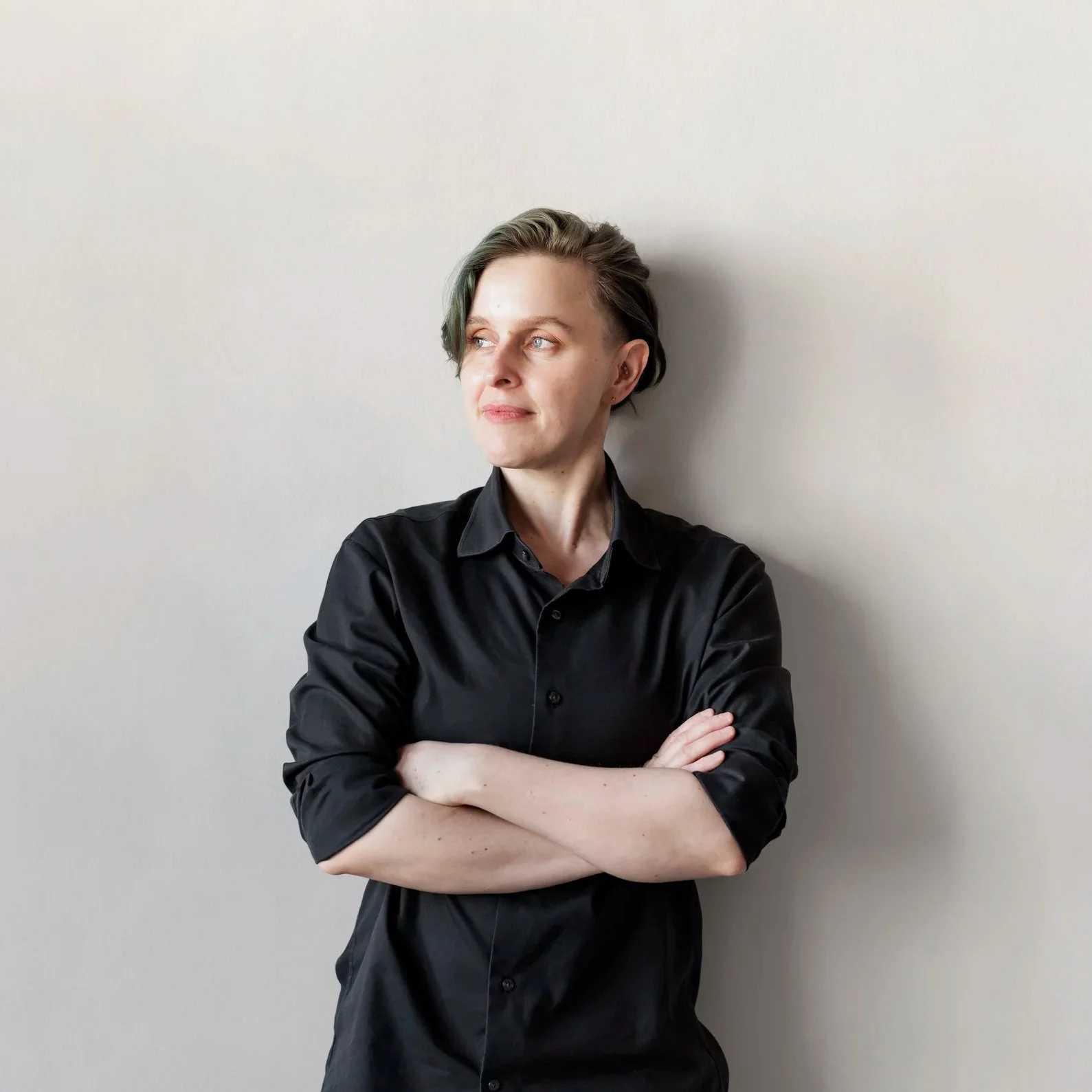
ST Sammel, founder
ST is an award-winning writer-director-producer and business consultant who makes story tools accessible to global executives, linking narrative psychology with leadership.